Why Memphis MLGW customers are seeing higher winter bills: usage spikes and gas-market pressures collide
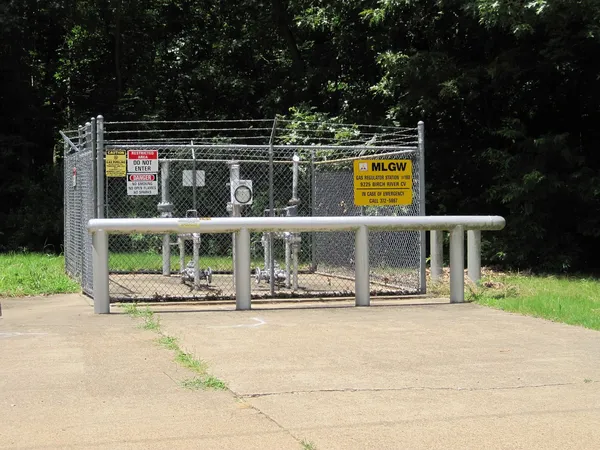
Higher winter bills arrive as cold weather drives consumption and raises fuel costs
Many Memphis Light, Gas and Water (MLGW) customers are seeing higher winter utility bills, a result of two converging factors: sustained cold that increased household energy use and broader natural-gas market pressures that lifted fuel costs during the same period.
MLGW warned customers in early February that February billing statements could bring “sticker shock,” after the Mid-South experienced deeply cold temperatures for more than 18 days. The utility said the extended cold increased both electricity and natural gas usage across homes and businesses, which directly affects total bills because most residential charges scale with consumption.
How cold snaps translate into higher charges
In winter, heating demand typically raises natural gas use for homes with gas furnaces and can also increase electricity use, especially as heating systems run longer, auxiliary heating engages, and households spend more time indoors. Even if the per-unit price stayed constant, higher kilowatt-hour and therm usage increases the final bill.
MLGW connected the local spike to a broader national pattern, noting that recent cold contributed to one of the highest natural-gas consumption periods recorded nationally. During major cold events, demand can rise quickly while storage levels decline, tightening supply and pushing up wholesale prices utilities pay for fuel.
Why the price of gas matters to electric bills, too
Natural gas prices affect more than gas-heating customers. Gas-fired power plants remain a major source of U.S. electricity generation, meaning higher natural-gas prices can raise the cost of producing power during periods of high demand. When fuel costs rise, utilities and power suppliers may pass those costs through bill riders or adjustments that are designed to reflect market conditions.
For Memphis, where MLGW provides electric, gas, and water service, the overlap can be confusing for customers comparing month-to-month totals. A single winter statement may reflect higher usage, fuel-cost pressure, and seasonal patterns at the same time.
Rate changes and bill timing add to customer confusion
Separately from weather-driven usage, MLGW implemented the final installment of a previously approved multi-year rate adjustment in January 2026. The change included a 4% electric rate increase, with MLGW estimating an average residential impact of about $5 per month. That scheduled adjustment can coincide with winter consumption peaks, amplifying the difference customers notice compared with fall bills.
What MLGW says customers can do now
MLGW urged customers who are struggling with unusually high bills to act early rather than waiting for disconnection notices. The utility has promoted payment arrangements, including extended payment plans and due-date options for some customers with fixed monthly income timing.
- Check current balances and usage trends through MLGW’s account tools.
- Contact MLGW promptly to discuss payment arrangements if a bill is higher than expected.
- Use energy-saving steps during cold periods, including thermostat management and reducing drafts, to lower consumption where possible.
MLGW’s central message to customers this winter: higher consumption during prolonged cold is the main driver of higher bills, and wholesale natural-gas price swings can intensify the impact.
Grizzlies Grit, School Shifts, and Spontaneous Soul: The Memphis Morning Briefing
Thunderstorm Alerts and Jackson Pit Project to Impact Thursday Commute