Trump’s Memphis crime roundtable reignites debate over federal intervention, policing tactics, and local public safety authority
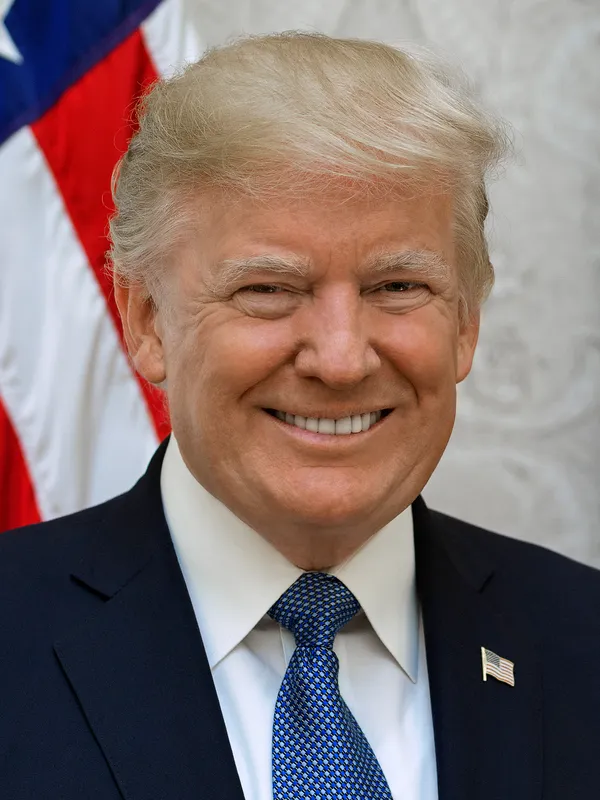
A federal-led crackdown became a national political flashpoint
A crime-focused roundtable appearance by President Donald Trump in Memphis came amid a wider federal public-safety initiative that brought National Guard support and a multi-agency law-enforcement surge into the city. The event, which circulated widely online through compilations of the president’s remarks, unfolded against an active on-the-ground operation branded as the “Memphis Safe Task Force,” created by presidential memorandum in mid-September 2025.
The memorandum set an objective of intensifying enforcement through coordinated federal, state and local activity, including large-scale deployments and investigative and financial-enforcement tools. It also directed the administration to seek National Guard support through Tennessee’s governor under Title 32 authorities, positioning the Guard in a support role for public-safety and law-enforcement operations.
What the federal operation has done on the ground
In the months after the task force began operating, publicly reported enforcement totals were substantial. Data attributed to task-force tracking and Memphis police reporting indicated thousands of arrests and tens of thousands of citations since late September 2025, driven by traffic stops, warrant service and fugitive searches. The activity level quickly raised practical questions for the local justice system, including jail capacity and court dockets, as cases moved from arrest to charging decisions, hearings and potential trials.
Those system pressures became a key theme in subsequent coverage of the initiative: large enforcement surges can rapidly expand the number of pending cases, requiring additional staffing for prosecution, public defense, court administration and detention operations.
Disputes over authority, oversight, and community impact
The Memphis deployment also triggered political and legal conflict about the boundaries of federal power and the appropriate use of military resources in domestic public-safety operations. A Tennessee judge later issued an order blocking use of the National Guard in the Memphis operation, while pausing enforcement of the ruling for several days to allow the federal government time to appeal. The litigation focused attention on the legal scaffolding used to justify the Guard’s role and how that role is supervised.
At the city level, local leadership publicly criticized aspects of the deployment while also weighing how to manage its immediate effects. The broader debate in Memphis has centered on balancing short-term enforcement intensity with longer-term concerns, including civil liberties, equitable policing, and the maintenance of public trust following prior high-profile controversies in local law enforcement.
How the roundtable comments fit into the larger policy picture
The roundtable remarks that fueled “most outrageous lines” roundups largely tracked talking points used to defend the intervention: portraying Memphis as uniquely imperiled by violent crime, arguing for federal leadership in Democratic-led cities, and claiming rapid results from intensive deployment models. The administration also signaled that Memphis could serve as a template for additional cities, framing the initiative as replicable rather than exceptional.
Key verified elements of the Memphis crackdown
- A presidential memorandum in September 2025 established the Memphis Safe Task Force and sought National Guard support through state authorities.
- Publicly reported enforcement totals in the first months included thousands of arrests and tens of thousands of citations tied to task-force activity.
- A Tennessee judge later blocked use of the National Guard in the operation, with a temporary pause to allow an appeal.
Memphis’ debate has increasingly turned on measurable outcomes—crime trends, case backlogs, detention capacity—alongside questions of legality, accountability and the long-term effects of saturation policing.