Study flags potential Mid-South health impacts tied to xAI gas turbines in Memphis and Southaven
What the new analysis examined
A newly released air-quality impact analysis has raised questions about potential public health effects associated with gas-fired turbine operations supporting xAI’s expanding data-center footprint in the Mid-South. The analysis evaluates pollution that can be produced by large natural-gas turbines used to generate electricity on-site, and models how related emissions could affect surrounding neighborhoods in Tennessee and North Mississippi.
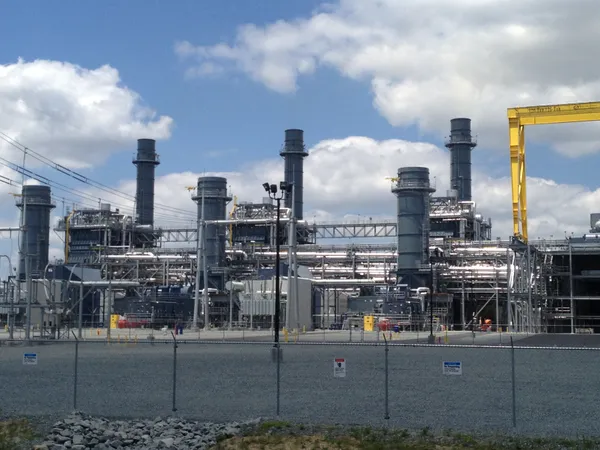
The report’s scope covers both existing and proposed equipment tied to xAI-related operations, including activity around the company’s South Memphis site and a separate build-out in Southaven, Mississippi. It identifies nitrogen oxides (NOx), formaldehyde and fine particulate matter among the pollutants of concern commonly associated with gas-turbine exhaust.
Facilities, turbine counts and permitting questions
The analysis describes a second data-center operation tied to xAI activity that began operating in late 2025 and involved 27 gas turbines in Southaven that were not permitted as stationary sources at the time the report assessed conditions. The same analysis notes plans seeking approval for a future, larger gas plant in Southaven with 41 permanent turbines.
In Memphis, a separate permitting process has been central to ongoing public debate. The Shelby County Health Department issued an air permit on July 2, 2025, allowing construction and operation tied to 15 gas turbines at the South Memphis data-center site. That permit decision was subsequently challenged, and the Memphis and Shelby County Air Pollution Control Board dismissed an appeal on Dec. 15, 2025, citing mootness after a daylong hearing.
Modeled pollution increases and where they could be concentrated
The study’s modeling indicates that additional emissions from turbine operations could increase pollution levels across multiple communities. It identifies Whitehaven, Horn Lake, Westwood and Southaven among the areas projected to see the largest increases under the scenarios assessed.
The analysis also states that impacts would not be limited to neighborhoods nearest the turbines, pointing to potential effects across parts of the broader Memphis metro area and North Mississippi due to regional movement of ozone-forming and particulate pollution.
- Key pollutants evaluated: NOx, formaldehyde, fine particulate matter
- Communities highlighted for higher modeled increases: Whitehaven, Horn Lake, Westwood, Southaven
- Health outcomes discussed in the report: asthma exacerbation, respiratory disease, cardiovascular impacts and related hospital visits
Estimated health damages and the uncertainties that remain
The report estimates that the proposed turbine build-out could be associated with more than $30 million per year in health-related damages, using standard approaches that monetize outcomes such as premature deaths, worsening asthma, heart attacks, hospital visits and missed school days.
Those estimates are based on modeled emissions and exposure assumptions rather than direct clinical measurement. Actual impacts can vary depending on operating hours, emissions controls, compliance conditions, weather patterns, background pollution levels and the accuracy of emissions factors used in the modeling.
The report argues that the public-health burden from additional turbine-related pollution would be shared across communities on both sides of the Tennessee-Mississippi state line.
What happens next
The findings arrive amid continuing regulatory scrutiny and community concern about turbine use tied to data-center power demand. Key near-term developments include how state and local regulators address permitting status and operational limits for turbine fleets, and whether additional monitoring, enforcement actions, or revised permit conditions are required as projects expand.