Southwest Airlines schedules nonstop Memphis–Austin flights, adding another direct option between two fast-growing markets
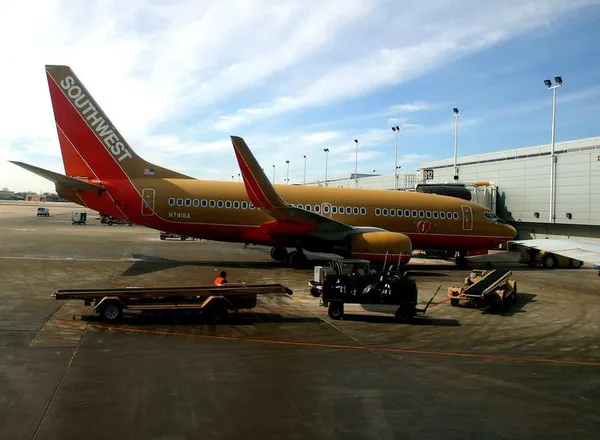
A new nonstop option appears in Southwest’s schedule for Memphis and Austin
Southwest Airlines has placed nonstop service between Memphis International Airport (MEM) and Austin-Bergstrom International Airport (AUS) into its published schedule, adding a direct option on a city pair that already supports nonstop flying. The route is displayed in Southwest’s booking channels as a nonstop market in both directions, reflecting inventory and flight availability for future travel dates.
Southwest’s own route information pages for Memphis–Austin and Austin–Memphis list the market as offering nonstop flights, with the distance shown at 559 miles. The carrier’s schedule data presentation for the route includes references to Department of Transportation published scheduled averages during September 2025, indicating that the airline has operated and/or filed the market within its system and is distributing it for sale within a defined schedule window.
How the Memphis–Austin market has been evolving
Memphis and Austin are connected by business travel, live music and events, and visiting-friends-and-relatives demand. In recent years, airlines have been adjusting networks to match shifting demand patterns, with mid-continent point-to-point flying increasingly important for leisure and blended “work-from-anywhere” travel.
The Memphis–Austin market has also seen other airline activity. Delta Air Lines previously announced daily nonstop service between MEM and AUS beginning May 7, 2025, operated with an Embraer 175 aircraft. That development established a year-round network carrier presence on the route and provided Memphis travelers with another nonstop option beyond connecting itineraries.
What to watch: schedule details, frequency and seasonality
Southwest has not bundled the Memphis–Austin nonstop into a standalone public news release within its investor-relations press-release feed, where the company typically highlights broader schedule extensions and selected new city pairs. Instead, the most concrete confirmation is the appearance of the route as a nonstop market in Southwest’s booking and route-display pages, including fare searches that show available departure dates into 2026.
For travelers and airport stakeholders, the key variables are:
Start date and operating pattern: published availability suggests future departures, but exact first-flight timing and day-of-week patterns can shift.
Frequency: the carrier’s route display references weekly-flight counts tied to a specific historical schedule period, which may not reflect the precise number of nonstop departures in every season.
Competitive dynamics: with nonstop service already present in the market, pricing and schedules will likely reflect competition and connecting alternatives via major hubs.
Airline schedules are subject to change; travelers are typically advised to confirm flight numbers, operating days, and times at booking and again closer to departure.
For Memphis, any additional nonstop connectivity can broaden options for both local travelers and visitors, while also strengthening the airport’s portfolio of point-to-point routes. For Austin, continued network growth reflects the region’s sustained travel demand and the airport’s role as a major origin-and-destination market.