Severe Mid-South storms disrupt operations at Memphis International Airport, triggering cancellations, delays, and passenger travel warnings
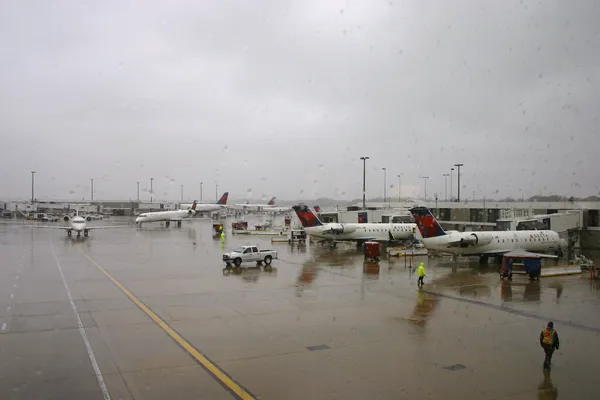
Weather-driven disruptions reach Memphis aviation as storm system crosses the Mid-South
Severe weather moving across the Mid-South has disrupted air travel through Memphis International Airport, prompting flight cancellations and delays as airlines and federal air-traffic managers adjusted operations to changing conditions. The disruption unfolded as a large, multi-hazard storm system pushed east, bringing bands of thunderstorms and high winds to parts of the Mississippi and Tennessee valleys after producing snow, ice and strong winds elsewhere in the central United States.
Federal air-traffic status information for Memphis International indicated weather-related traffic management measures in place during the period of impact, reflecting constraints on arrival and departure rates that typically accompany low visibility, strong winds, or convective activity near an airfield. Such restrictions can cascade through airline networks, affecting aircraft rotations and crew schedules beyond the immediate region.
How severe weather translates into canceled and delayed flights
Airline and airport operations are particularly vulnerable to fast-moving storm lines and strong wind events. Thunderstorms can temporarily halt ramp activity for safety, preventing aircraft from being serviced, loaded, fueled, or pushed back. Low ceilings or reduced visibility can force increased spacing between arrivals and departures, lowering throughput. Strong winds can also affect runway configurations and ground handling, while lightning protocols can slow or stop outdoor work around aircraft.
- Flight cancellations typically occur when aircraft and crews cannot be positioned safely or legally for scheduled departures.
- Delays often stem from traffic management programs that meter arrival and departure flows during deteriorating weather.
- Network effects can extend impacts for hours after storms pass, as aircraft and crews remain out of sequence.
Spring travel demand raises the stakes for disruptions
The weather impacts arrived during an active travel window for Memphis, with airport projections earlier this month anticipating peak passenger throughput on March 8 and March 15 tied to Spring Break travel patterns. Higher passenger volumes can increase congestion at ticket counters, gates and customer service lines when schedules are disrupted, and can reduce the availability of rebooking options when multiple flights are affected.
Passengers are typically advised to confirm flight status directly with their airline before leaving for the airport and to allow extra time for screening and check-in during disruption periods.
What travelers can expect and what to monitor next
As the storm system progresses east, the operational outlook for Memphis depends on the timing and intensity of additional storm bands and wind shifts. Travelers should anticipate continued schedule adjustments, including rolling delays, cancellations and gate changes, especially if additional convective lines move through during peak departure periods.
For passengers, the practical impact is immediate: missed connections, rebooking constraints, and potential overnight delays if aircraft and crews are displaced. Airlines generally manage these events through re-accommodation on later flights when seats are available, while airport staffing and security operations can also adjust to shifting departure waves.