Otter Visits White-Cheeked Gibbons at Memphis Zoo, Highlighting How Mixed-Species Habitats Are Managed
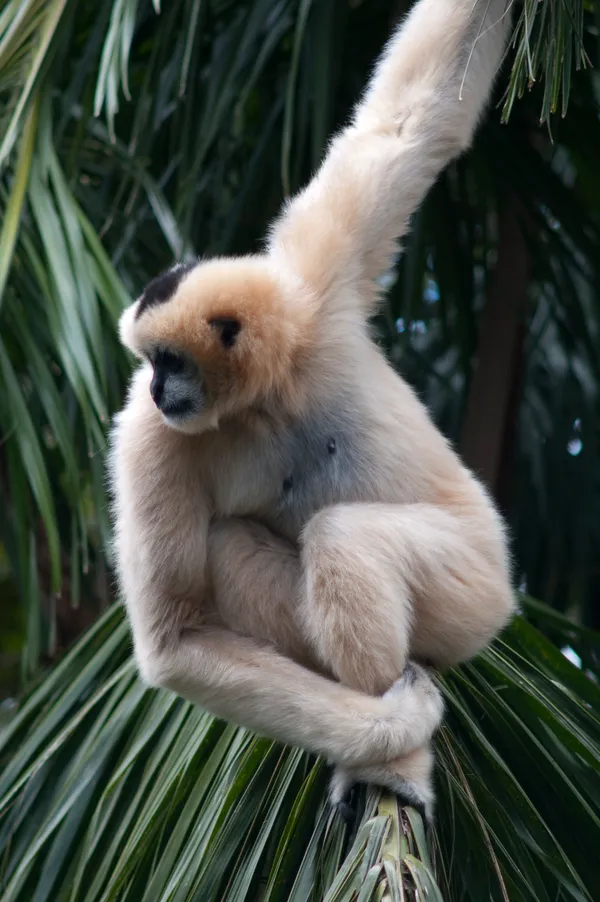
A brief encounter inside a shared habitat
A curious Asian small-clawed otter at the Memphis Zoo was recently observed approaching and closely inspecting a white-cheeked gibbon inside the zoo’s China exhibit, where the two species share space as part of a managed mixed-species habitat. The moment reflects a type of animal-care strategy used at some accredited zoos: placing compatible species together to encourage natural movement, provide additional stimulation, and broaden visitors’ understanding of ecosystems.
At Memphis Zoo, Asian small-clawed otters were introduced as part of a group transfer that expanded the zoo’s otter population and integrated the animals into an existing primate setting. Zoo communications around the move described the exhibit as an intentional mixed-species pairing, with otters and white-cheeked gibbons occupying different vertical and horizontal zones of the same environment—otters largely using water and ground-level features, and gibbons using elevated structures.
Why zoos mix species—and why it requires strict oversight
Mixed-species habitats are not improvised. They are typically planned around species temperament, space design, escape options, feeding management, and veterinary monitoring. In this type of setup, staff must account for unequal size, different social behaviors, and the risk that a curious interaction could escalate into stress or injury if animals cannot disengage.
Habitat design must provide separation routes and refuge areas so animals can choose distance.
Feeding routines are structured to reduce competition and prevent animals from associating each other with food access.
Staff monitor behavior changes that can signal stress, such as avoidance, agitation, or disrupted resting patterns.
Memphis Zoo’s China exhibit and the otter addition
The Memphis Zoo’s China area houses multiple species associated with Asian ecosystems, including white-cheeked gibbons and Asian small-clawed otters. In 2025, the zoo added seven Asian small-clawed otters that arrived from the Santa Fe College Teaching Zoo in Florida. The otters were introduced to the China exhibit where the zoo’s white-cheeked gibbons, identified by the zoo as Timmi and Donta, already lived.
Some mixed-species programs also include rotation plans—allowing different animals to use the same exhibit at different times—to balance welfare needs and reduce conflict. Memphis Zoo has described using turn-taking for older otters as part of the overall management approach.
Visitor behavior remains part of animal welfare
While mixed exhibits are designed around animal choice and safety, guest conduct can influence how animals use space. The Memphis Zoo has previously urged visitors not to strike exhibit glass, shout, taunt animals, or crowd barriers—behaviors that can disrupt animals and complicate routine care and enrichment.
Mixed-species habitats are built around controlled introductions, ongoing observation, and the ability to separate animals if behavior changes.
The otter’s brief visit with the gibbon is a visible reminder of how modern zoo habitats can be structured to support natural curiosity while maintaining safeguards that prioritize animal welfare.