MLGW urges Memphis-area customers to pause dripping faucets during above-freezing hours to protect water pressure
Temporary guidance amid winter weather impacts
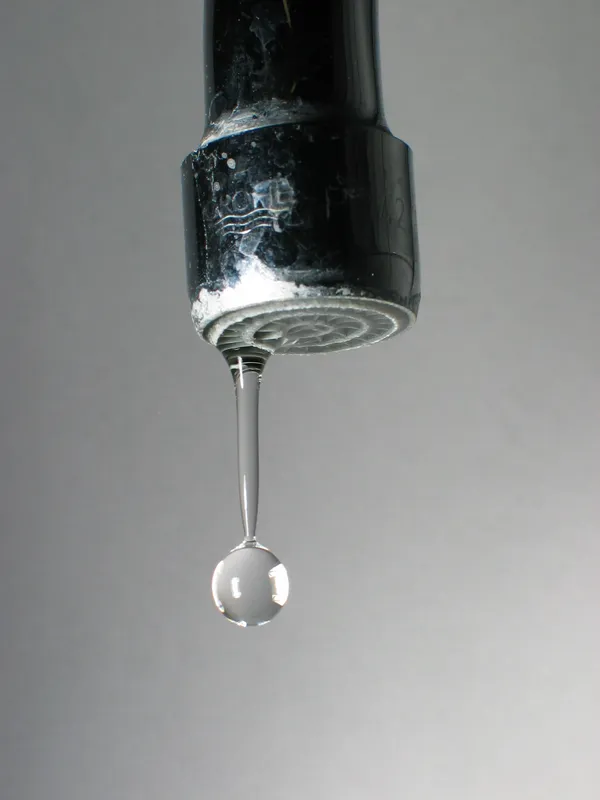
Memphis Light, Gas and Water (MLGW) has asked customers to temporarily stop dripping faucets during windows when temperatures rise above freezing, a move aimed at stabilizing water pressure across the distribution system while crews respond to weather-related damage.
The utility’s guidance was tied to a specific above-freezing period during an afternoon warm-up, with customers advised they could resume dripping when temperatures dropped below 32 degrees again to reduce the risk of frozen household pipes. The request reflects a balance between individual property protection and overall system performance during sustained cold snaps.
Why dripping matters to system pressure
Dripping faucets is a common freeze-prevention practice, but when used widely across a city it can increase system-wide demand. MLGW has said its production, treatment and pumping operations can run at full capacity while still experiencing pressure reductions when leaks and breaks downstream pull water out of the system faster than it can be delivered to all areas at stable pressure.
During the winter-weather response referenced in MLGW updates, crews reported dozens of water-main repairs over several days and continued work on additional known breaks. In parallel, the utility warned that undiscovered leaks—ranging from damaged service lines to internal plumbing failures—can compound pressure problems, particularly when many customers are simultaneously running water.
What MLGW asked customers and property owners to do
- Stop dripping faucets during periods when temperatures are above freezing and restart only when temperatures fall below 32 degrees.
- Limit non-essential water use to help maintain distribution pressure, especially during active repair periods.
- Check homes, businesses and vacant buildings for leaks; monitor basements, crawl spaces and mechanical rooms where ruptures may not be immediately visible.
- Promptly report suspected water-main breaks when water is surfacing in streets or pooling in unusual locations; MLGW maintains a 24-hour emergency line for water and gas hazards.
Low pressure can be driven not only by production limits, but by widespread leakage after hard freezes—making conservation and leak detection a key part of restoring normal service.
What customers can do immediately to conserve water
MLGW’s conservation guidance during pressure events has focused on reducing continuous running water and postponing water-intensive tasks. Practical steps include avoiding running water while rinsing dishes or cleaning food, delaying laundry and dishwasher cycles, and taking shorter showers. Customers experiencing a burst pipe are urged to shut off water when possible and seek assistance if they cannot safely stop the flow.
MLGW has emphasized that conditions can change quickly during freeze-thaw cycles, as breaks may become visible only after temperatures rise. The utility has continued urging customers to monitor property conditions and adjust faucet-dripping practices to current temperatures rather than leaving taps running continuously.