Memphis-Shelby County Schools reopen after nearly two weeks of winter closures and depleted snow-day reserves
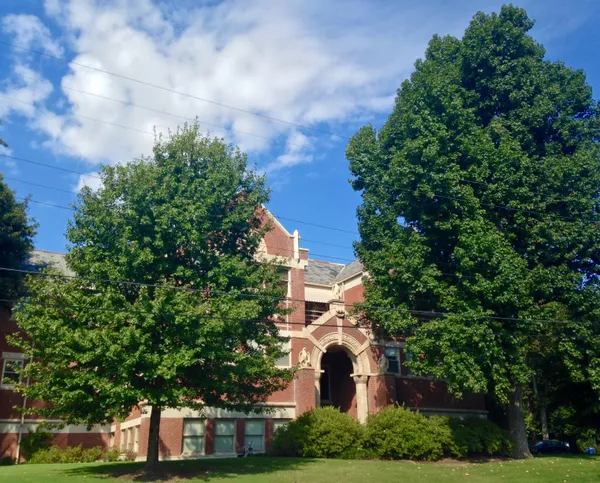
Classrooms reopen after prolonged weather disruption
Memphis-Shelby County Schools (MSCS) resumed in-person instruction after a stretch of winter-weather closures that kept many students out of classrooms from late January into early February. The shutdown followed a weekend storm that brought snow and persistent ice, with district leaders repeatedly citing hazardous neighborhood streets, sidewalks, and bus stop conditions as barriers to safe transportation.
By Feb. 4, the district had used all eight inclement-weather days built into its school calendar for the 2025-26 year, and additional closures followed as icy conditions lingered in parts of the county. The extended interruption meant many students had not attended class since Jan. 23.
How MSCS makes closure decisions—and what closes with schools
MSCS closure decisions during winter events are driven primarily by travel safety across bus routes, school property, and neighborhood streets across the district’s footprint. District procedures allow for decisions to be made as late as early morning when conditions are uncertain.
When buildings are closed, MSCS also cancels after-school and extracurricular programming, including athletics and child care tied to school operations.
- Primary trigger: road and pedestrian access to bus stops and campuses
- Notification: district messaging systems and public updates
- Operational impact: instruction, after-school activities, and many campus-based services halted
Remote learning limits and “make-up time” options
The closures renewed focus on how Tennessee districts account for lost instructional time. State law requires 180 instructional days, though many districts schedule longer daily hours that effectively “bank” a limited number of extra days. MSCS entered the year with eight days reserved specifically for inclement weather, alongside additional stockpile time used for other calendar needs.
In Tennessee, districts may also use a limited number of remote-learning or hybrid instructional days tied to inclement weather, but the practical use of those options can be constrained by household access to power and internet during major storms. As outages affected parts of the region during the broader weather pattern, some districts across the Southeast reported difficulties relying on at-home instruction.
Extended closures can require districts to modify calendars, pursue state waivers, or reallocate other scheduled non-student days to protect instructional requirements.
What families should watch next
With MSCS having exhausted its weather-day cushion, further significant closures later in the semester could force additional calendar adjustments. District and state options include repurposing scheduled non-instructional days, extending the school year, or requesting relief tied to extraordinary circumstances. For now, the return to classrooms marks a shift from emergency planning back to routine operations—while leaving open broader questions about how districts balance safety, attendance requirements, and continuity of learning during severe winter events in a region with limited snow-removal capacity.