Memphis Safe Task Force officials report suburban crime impact across Shelby County as deployment continues
A city-centered operation with countywide attention
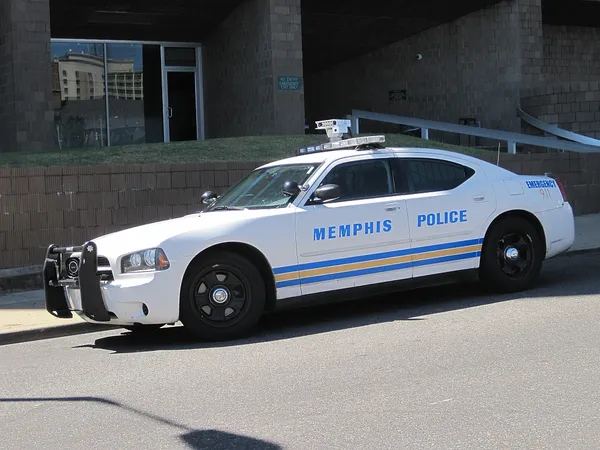
Law enforcement leaders in Shelby County’s suburbs say a high-profile, multi-agency crime initiative centered in Memphis is being closely watched for potential ripple effects beyond the city limits, including whether intensified enforcement in Memphis could displace criminal activity into nearby communities.
The Memphis Safe Task Force began operations in late September 2025, bringing together federal, state and local agencies with support from the Tennessee National Guard. The initiative has focused on locating violent fugitives, clearing outstanding warrants, seizing illegal firearms and locating missing children. The Guard’s role has been described publicly as support and deterrence rather than traditional law enforcement powers.
Concerns about “displacement” and what local departments are seeing
In Collierville and other suburbs, police departments have publicly acknowledged earlier concerns raised by residents and officials that concentrating resources in Memphis could push offenders outward. Local chiefs have said they are monitoring patterns such as retail theft, vehicle break-ins, and organized theft crews that can operate across municipal lines.
Suburban agencies have also emphasized that Shelby County’s municipalities are not insulated from Memphis-area crime trends because major corridors, shopping districts, and commuter flows connect the city and its suburbs. That reality has made cross-jurisdiction coordination a priority, including intelligence sharing and joint enforcement where appropriate.
What the task force has reported in Memphis
Publicly released task force updates have described thousands of arrests since the operation’s launch, along with hundreds of firearms recovered. In early January 2026, the task force reported nearly 4,700 arrests since October and more than 750 firearms seized, as well as more than 100 children located.
While officials have highlighted reported reductions in major crime categories during portions of the operational period, local justice-system capacity has remained part of the public discussion. Separate reporting on the operation has described pressures on detention space and court dockets tied to an increased volume of arrests and traffic enforcement activity.
Legal and governance questions remain active
The National Guard deployment has also drawn sustained legal scrutiny in Tennessee, with court proceedings and state appeals addressing the scope of a governor’s authority to deploy Guard troops in non-emergency circumstances. State leaders have said the deployment will continue while litigation proceeds.
Key measures suburban residents are likely to notice
Changes in visible enforcement and patrol patterns on major commercial corridors.
More joint operations and information-sharing across Shelby County jurisdictions.
Ongoing debate over balancing short-term enforcement results with court, jail, and staffing capacity.
Officials in suburban municipalities say the central question is whether intensified enforcement in Memphis is reducing overall offending—or shifting where certain crimes occur.
Suburban agencies say they will continue tracking incident reports and arrest patterns for evidence of displacement, while task force leaders maintain that a coordinated, regionwide approach is intended to reduce violent crime rather than move it across city boundaries.