Memphis reviews snowplow capacity after winter storms, weighing costs, staffing, and route-based clearing priorities
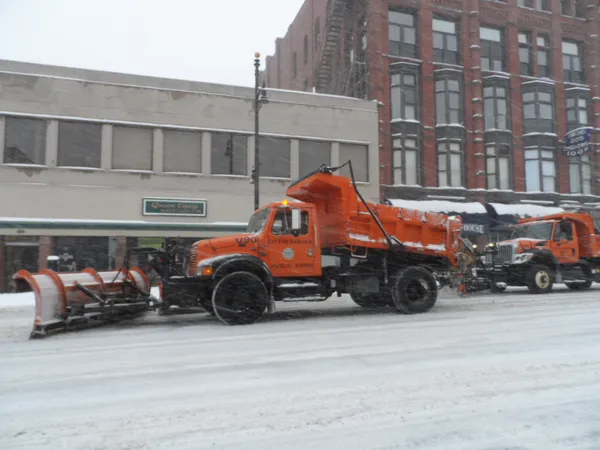
City leaders assess whether the current fleet matches Memphis’ winter-weather needs
Memphis is evaluating whether to add more snowplows and related winter-response equipment after recent storms again exposed the limits of road treatment capacity in a city where snow and ice events are episodic but disruptive. City officials have indicated the question is under review as Public Works continues refining a winter operations plan that prioritizes mobility on a defined network of major streets rather than attempting citywide neighborhood plowing.
The city’s current strategy centers on treating designated priority routes and clearing one lane in each direction during winter events. The approach reflects an operational shift that began in 2025, moving beyond earlier practices focused mainly on bridges, overpasses, and steep grades. Memphis also publishes a snow and ice clearing map showing city-maintained priority routes and those handled by the Tennessee Department of Transportation (TDOT).
What equipment Memphis currently deploys, and when plows are used
Under the city’s winter mitigation plan, Public Works operates 15 snow and ice removal trucks and six brine trucks used for pre-treatment when conditions allow. During active winter events, crews apply straight salt rather than a salt-and-sand mix. City guidance indicates plows are generally deployed when forecasts call for snow accumulations of 2 inches or more.
- 15 snow and ice removal trucks used for salt and related operations
- 6 brine trucks used for pre-treatment
- Plow deployment tied to forecast accumulation thresholds
What is driving the “more plows” discussion
The debate is shaped by a recurring tradeoff: the high cost and upkeep of specialized equipment versus the public expectation for faster recovery when freezing rain, sleet, or heavy snow affects travel. Recent weather has reinforced that Memphis often faces mixed precipitation that can freeze solid, creating conditions that are harder to scrape and clear than lighter snowfall.
Operationally, city communications have emphasized that the goal is to keep critical corridors open for access to jobs, health care, and connections to TDOT routes. That means neighborhood streets may remain untreated for longer periods, particularly when conditions and staffing require resources to stay concentrated on the priority network.
Memphis’ winter plan is designed to clear targeted routes first, treating one lane each direction, rather than attempting to plow every street.
Other factors under consideration: staffing, storage, and post-storm impacts
Any decision to expand the fleet would extend beyond purchasing plow hardware. Winter response requires trained operators, maintenance capacity, parts inventory, salt procurement and storage, and an ability to keep equipment ready between infrequent storms. The city has also highlighted how winter events can create secondary infrastructure demands, including a surge in potholes driven by freezing and thawing cycles. In 2024, Public Works reported filling 82,149 potholes citywide, with crews shifting back to repairs after winter weather passes.
For residents, the city continues to direct people to monitor the priority-route map during storms and to use 311 for street-related service requests such as pothole reporting once conditions allow repairs.
What happens next
City officials have not announced a final purchase decision or timeline, but the review comes as Memphis continues implementing its route-based winter operations model and calibrating how much equipment is necessary to meet public safety needs during increasingly complex winter events.