Memphis on January 19 Through the Years: Key Moments in Civic Life, Culture, and Turning Points
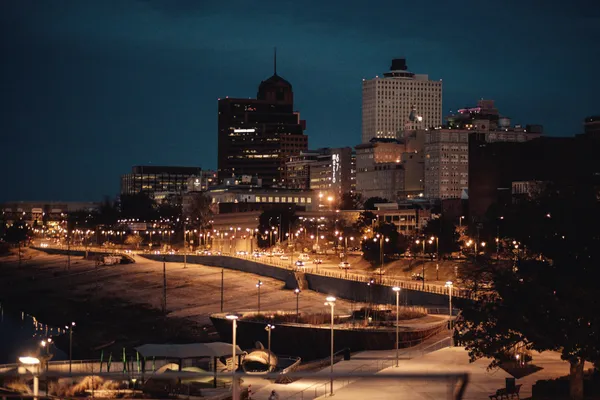
A calendar date with recurring echoes in Memphis’ public story
January 19 rarely marks a single defining moment in Memphis history. Instead, it serves as a useful lens for tracking how the city’s institutions and civic identity have evolved across eras—through public gatherings, cultural development, and the long arc of civil rights memory.
Civic spaces and the city’s cultural footprint
In the early 2000s, Memphis’ downtown civic core continued its shift toward large-scale public venues designed to host touring entertainment, symphonic performances, and community events. The Cannon Center for the Performing Arts, a 2,051-seat venue and home to the Memphis Symphony Orchestra, opened in 2003—one example of the city’s ongoing investment in a concentrated downtown cultural district and an events economy built around regional visitation.
Preserving the past: archives that anchor public understanding
Local historical memory is also shaped by what can be recovered and retained. The city’s public library system maintains a digital and archival footprint that includes maps, newspapers, and digitized collections tied to Memphis and Shelby County. These resources help document everyday life and major events alike, making it possible to reconstruct what the city debated, celebrated, and endured across generations.
Among the preserved materials are digitized issues of the historic Memphis World newspaper, including editions dated January 19 in multiple years in the 1950s. Such holdings underscore how community narratives were recorded in real time—particularly within Black civic life during the Jim Crow era and the early modern civil rights period.
How January dates connect to larger turning points
For Memphis, certain themes dominate any long view of local history: race, labor, public safety, and the uses of public space. Although January 19 is not associated with a single citywide rupture comparable to events like the Memphis Massacre of 1866, the date sits within a broader historical landscape in which Reconstruction-era violence, segregation, and later civil rights activism shaped institutions and neighborhoods for generations.
Historical commemoration in Memphis often depends less on the specific day an event occurred than on the institutions that preserve evidence of it—museums, libraries, public records, and surviving sites.
Public memory in the built environment
Memphis’ approach to public memory can also be seen in the way places are named and redesigned. Along the Mississippi River, Tom Lee Park—named for Tom Lee, a Black riverworker remembered for rescuing 32 people from a sinking vessel in 1925—has functioned as both a civic gathering space and a site where the city narrates itself through monuments, festivals, and design choices. The park reopened in 2023 after a major redesign, reflecting contemporary priorities around access, landscape restoration, and year-round public use.
What a date-based lookback can and cannot do
It can highlight how civic institutions grow over time and how cultural infrastructure becomes part of downtown identity.
It can point readers toward archival sources that document lived experience across communities.
It cannot, by itself, replace fuller historical context about major Memphis turning points, which often unfold across days, months, and years.
Viewed this way, January 19 is less a single anniversary than a reminder that Memphis history is built from layers: civic decisions, cultural investments, archived voices, and public spaces continually reinterpreted by each generation.