Memphis Mayor Paul Young praises MLGW response as January 2026 winter storm strains city services
A citywide test of readiness
Memphis entered the weekend of Jan. 23–26, 2026 under heightened emergency posture as forecasts warned of potentially severe winter weather capable of triggering hazardous travel, power outages and interruptions to water service. Mayor Paul Young declared a local state of emergency effective Friday, Jan. 23, enabling the city to mobilize resources and coordinate operations across departments.
City briefings ahead of the storm emphasized that ice—more than snow—posed the greatest operational risk. Officials warned that once roadways ice over, snowplows cannot clear them effectively, and crashes can damage power poles, substations and other critical infrastructure, increasing the likelihood and duration of outages.
How Memphis prepared: roads, shelters, and utility staffing
Public Works crews began pretreating priority routes with brine earlier in the week, with the winter readiness plan calling for roughly 25,000 gallons applied across about 330 miles of roadway (covering one lane in each direction on designated routes). In addition, city leaders reported having salt supplies and distribution capacity available for deteriorating road conditions, while cautioning that treatment becomes less effective at very low temperatures.
To support residents facing extreme cold, the city partnered with community organizations to operate warming-center services, with the potential for additional sites to open depending on conditions. Officials repeatedly urged residents to limit travel, both to reduce crash risk and to keep roadways open for emergency and utility response.
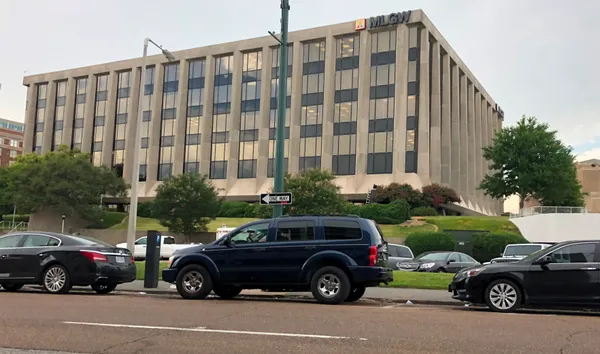
Memphis Light, Gas and Water positioned crews in anticipation of widespread outages tied to ice accumulation. In public statements during and after the event, Mayor Young praised the utility’s winter weather response, describing it as “incredible,” framing the operational outcome as evidence of preparation and coordinated field work.
What happened during the storm
As the system moved through, the Mid-South experienced frigid temperatures and periods of snow, sleet and ice. City officials described road conditions as extremely dangerous during the peak of the event and reported significant salt application as conditions evolved.
The operational picture for utilities and transportation depended heavily on where the most damaging precipitation bands set up and whether ice accumulated on trees and lines. Some residents reported limited neighborhood icing compared with prior winter events, a factor that can reduce outage volume even during prolonged cold.
What to watch next
Post-storm impacts to water infrastructure as temperatures fluctuate and frozen pipes thaw.
Ongoing road treatment and recovery timelines, particularly for secondary streets.
Any subsequent city and utility after-action updates that quantify outages, restorations and service interruptions from Jan. 23–26.
Mayor Paul Young publicly praised MLGW’s winter response during the January 2026 storm, calling it “incredible.”