Memphis mayor convenes housing task force as City Hall targets 10,000 new and renovated homes by 2030
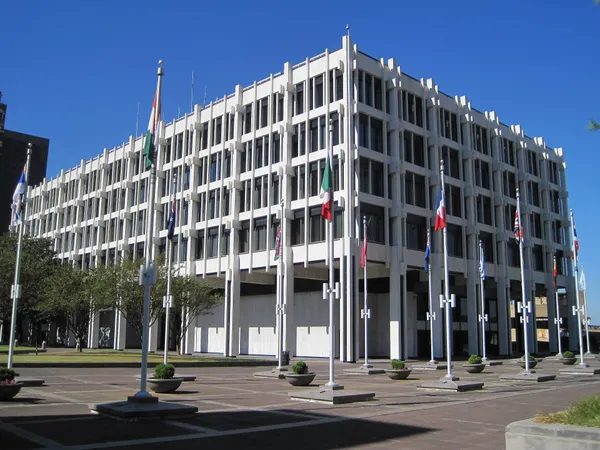
A new focus on housing supply, affordability, and rules that shape development
Memphis Mayor Paul Young has launched a mayoral effort aimed at expanding affordable housing options, positioning housing policy as a core element of the city’s growth strategy. The initiative comes as city leaders emphasize both the need for additional units and the role of local regulations in determining what can be built, where, and at what cost.
In recent public remarks tied to the city’s 2026 policy agenda, the mayor set a target of 10,000 homes—both affordable and market-rate—built or renovated in Memphis by 2030, with a concentration on neighborhoods in the “core city.” City development leadership has framed the housing push as central to attracting residents and investment, while also stabilizing neighborhoods where vacancy, blight, and aging housing stock remain persistent challenges.
What the city says it will do
The administration’s housing agenda combines unit production and preservation with changes to long-standing development rules. City officials have said meeting the 2030 goal will require updates to regulations that can limit housing types, constrain density, or add time and cost to construction. While specific legislative proposals vary by neighborhood and project type, the central premise is that increasing supply—alongside targeted affordability tools—can broaden options for renters and buyers.
In parallel, the city’s housing and community development apparatus continues to direct federal and local resources to neighborhood programs. For the FY2027 funding cycle (July 1, 2026 through June 30, 2027), Memphis opened applications in December 2025 for competitive grants supporting homelessness assistance, rental support, and community development initiatives, with submissions due by January 30, 2026. City materials describing prior-year awards show multimillion-dollar annual allocations to local agencies administering these programs.
Affordable housing tools already in place
Memphis currently operates multiple housing programs that can be used alongside new construction and rehabilitation goals. City-described tools include down payment assistance for eligible buyers, nonprofit housing development support, and funding streams designed to expand or preserve affordable rental housing. The city also references investments tied to pandemic-era recovery funding used to support nonprofit development of affordable housing in disproportionately impacted communities.
- Down payment assistance programs with eligibility tied to income thresholds and location within city limits.
- HOME-funded tenant-based rental assistance and other federally supported housing programs administered locally.
- Competitive community investment grants supporting homelessness prevention and neighborhood stabilization activities.
Recent projects cited by city leadership
City leadership has pointed to the completion of the South City redevelopment—formerly the Foote Homes public housing site—as an example of current mixed-income affordable housing production. In public discussion, the project has been described as expanding the number of affordable mixed-income units compared with the prior site configuration.
Housing has been described by city leadership as “the foundation” for broader economic and neighborhood progress, with the 2030 unit target presented as a benchmark for measurable change.
What happens next
The housing task force initiative is expected to operate alongside city departments responsible for housing and development, with an emphasis on identifying barriers to construction and preservation, aligning funding, and accelerating project delivery. The key test will be whether the city can translate broad unit targets into specific, trackable actions—such as zoning and code amendments, project pipelines, and funding commitments—while ensuring that affordability outcomes are sustained as new units come online.