Memphis mayor and police detail Downtown security posture as warmer weather increases crowds and nightlife activity
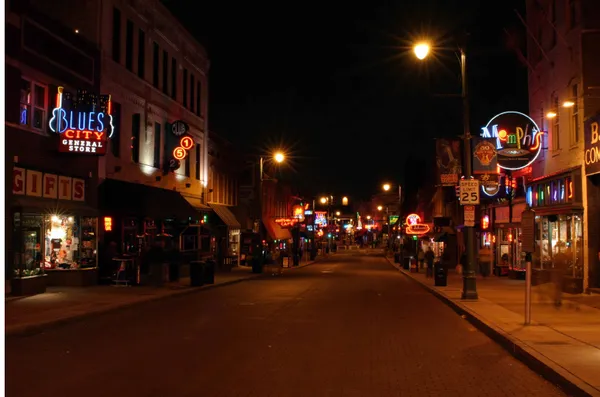
Downtown security planning enters seasonal phase as temperatures rise
Memphis city leaders are moving into a familiar public-safety cycle: as warmer weather arrives and foot traffic increases, the administration and Memphis Police Department (MPD) are signaling an intensified Downtown security posture designed for higher crowd volumes, later nights and more outdoor activity.
The seasonal shift is not limited to entertainment areas. City messaging and operational planning have increasingly tied Downtown safety to broader goals that also include quality-of-life enforcement and coordination with multiple public agencies working in the city.
Command-center model and visible presence
Downtown policing in Memphis has been organized around a command-center approach, intended to improve coordination among officers and allied security teams during peak periods. The model has been used during festival weekends and other high-attendance events, when real-time coordination is emphasized and resources are concentrated near the city’s busiest corridors.
City officials have framed the strategy as part of an effort to keep Downtown functioning as a regional draw for tourism, restaurants, sports and major events. The underlying premise has been consistent: as crowd density rises, the risk profile changes, and deployment patterns must shift accordingly.
Multi-agency environment shapes local policing choices
Downtown security planning is also unfolding against a multi-agency public-safety backdrop that has drawn national attention since 2025. Federal actions and state support have increased the complexity of day-to-day law enforcement operations in Memphis, with local government emphasizing that MPD remains responsible for policing decisions within the city.
That broader context has fueled competing public expectations. Some residents and business stakeholders have pushed for sustained, visible enforcement to deter gun violence and property crime. At the same time, community groups have raised concerns about the scope of enforcement activity and potential disparate impacts, particularly when quality-of-life laws and traffic enforcement are prioritized alongside violent-crime suppression.
What the city is trying to prevent
City and police planning for warm-weather months generally focuses on predictable pressure points:
Large weekend crowds in entertainment districts and at riverfront and park events
Increased nighttime activity that can complicate response times and crowd control
Higher calls for service tied to disorderly conduct, public intoxication, traffic conflicts and occasional spikes in violent incidents
Visitor safety concerns that can affect Downtown commerce and tourism perception
Measures and accountability questions
Officials have highlighted the use of coordinated patrols, dedicated Downtown staffing and technology-supported situational awareness as core tools. The city has also promoted broader initiatives that connect public safety with cleanliness and blight reduction, reflecting an enforcement posture that extends beyond traditional crime response.
With warmer-weather planning comes a sharper focus on how enforcement is measured: not only by arrests and response times, but by whether residents and visitors experience Downtown as orderly and predictable during peak periods.
As spring progresses, the effectiveness of the posture will be judged in part by incident trends during high-traffic weekends and whether the city can balance deterrence, constitutional policing and transparent reporting about outcomes.