Memphis International Airport expects over 90,000 spring break travelers, with peak checkpoint days March 8 and 15
Two-week spring travel period begins as passenger volumes rise
Memphis International Airport is preparing for a concentrated spring travel surge, projecting that more than 90,000 people will pass through the Transportation Security Administration (TSA) checkpoint during a two-week spring break period running from March 5 through March 16, 2026. Airport officials expect the busiest days to be March 8 and March 15, when daily checkpoint throughput is projected to exceed 10,000 travelers.
The figures reflect checkpoint activity rather than total airport foot traffic, capturing the core bottleneck where passenger volumes are most likely to affect trip timing. The airport’s planning emphasis is therefore centered on security screening capacity, curb-to-terminal flows, and parking availability during morning and weekend peaks.
What travelers can control: timing, ID readiness, and carry-on choices
The airport is advising passengers to arrive a minimum of two hours before scheduled departure. The guidance is framed as especially important for early-morning departures between 4 a.m. and 7 a.m., a window that can compress airline check-in, bag drop, and security screening into a narrow timeframe.
Travelers are also being urged to monitor airline schedules directly and use airline mobile apps for real-time operational updates. While airport staff manage terminal and landside operations, airlines control core passenger-processing elements such as ticketing, gate activity, and baggage handling. This division can matter during peak periods: disruptions may be experienced first at airline counters and boarding areas even when terminal access is flowing normally.
- Arrive at least two hours early, with additional buffer for early-morning departures.
- Use airline apps to track gate changes, delays, and baggage policies.
- Check carry-on bags for prohibited items before leaving home to reduce secondary screening.
Security screening changes: CT scanners and bin-size limits
At the Memphis checkpoint, TSA screening is supported by computed tomography (CT) equipment. With CT screening in place, passengers may be permitted to keep laptops, electronics, and 3-1-1 compliant liquids inside carry-on baggage for screening. However, the operational benefit is constrained by equipment and bin dimensions: all items must fit into divesting bins and comply with the tunnel height limitation, with oversized items directed to checked baggage at airline counters.
Security throughput can be affected as much by divestment and bin fit as by the number of travelers in line, particularly during peak morning waves.
REAL ID enforcement remains a practical trip risk for some travelers
Since May 7, 2025, federal rules have required adult passengers to present REAL ID-compliant identification or another acceptable form of ID to access TSA checkpoints for domestic flights, with travelers lacking compliant identification subject to delays, additional screening, or denial of entry into the checkpoint. For spring break travelers, ID readiness can be a decisive factor in avoiding missed departures when lines are longest.
Parking and roadway considerations amid active construction
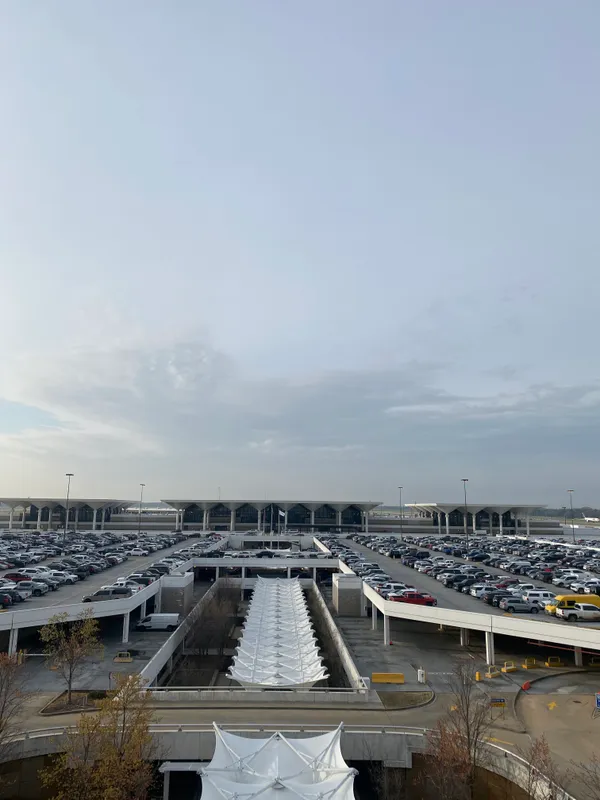
Airport officials have also warned that parking lots may reach capacity during peak days. When lots fill, additional staff and directional signage are expected to be deployed, and drivers using remote lots may see increased reliance on shuttles. With active construction and barriers in place, passengers are being instructed to use marked crosswalks when walking between parking areas and the terminal.

Woman killed after child accidentally fires gun at East Shelby Drive business, Memphis police report

Memphis man pleads guilty in federal case tied to stolen Water Piks shipment headed for Amazon
MSCS Board Unveils Local Accountability Plan as Tennessee Lawmakers Renew State Oversight Push