Memphis Fire Department memorial traditions highlight the risks faced by firefighters and paramedics in service
A departmentwide moment of remembrance
The Memphis Fire Department is marking the loss of a veteran firefighter-paramedic with formal honors that reflect a broader tradition in Memphis: publicly recognizing first responders who die while serving the city. The department announced in early November 2025 the death of EMS Lt. Barry Nash, a paramedic and longtime member of the agency who joined in 1997 and later held several leadership roles within emergency medical services.
Nash’s career included work in a frontline EMS unit, a promotion to EMS lieutenant in 2007, and responsibility for training. He later served as the department’s infection control officer, a role that carried heightened operational importance during the COVID-19 pandemic as fire-based EMS systems managed workforce safety while maintaining emergency coverage.
How Memphis recognizes service and sacrifice
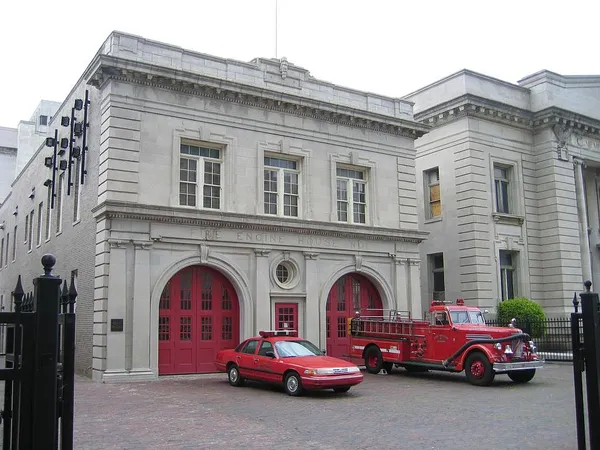
Honors for fallen and deceased members occur within a larger framework of memorial practices tied to the Fire Museum of Memphis, located in the historic Fire Engine House No. 1 downtown. The museum’s exterior memorial wall is dedicated to firefighters who have died in the line of duty in Memphis since 1880, preserving a public record of deaths connected to emergency response.
In October 2025, the city’s annual firefighter memorial service at the museum added two additional names to the memorial wall: Terrence Pryor and Jeffrey Arick. The annual service draws firefighters, families, and other first responders to formally recognize those deaths as part of the department’s historical record.
- The memorial wall is located on the museum’s exterior and is presented as a permanent tribute to line-of-duty deaths in Memphis.
- The annual memorial service is held at the museum and includes a formal program recognizing additions to the wall.
- Separate department announcements are used to recognize the deaths of members whose service shaped operations, including EMS leadership positions.
The expanding role of fire-based EMS
Memphis Fire’s honors for a firefighter-paramedic underscore how modern fire departments increasingly function as both fire suppression and medical-response agencies. In many U.S. cities, including Memphis, fire-based EMS personnel deliver critical pre-hospital care, manage medical protocols, and handle large call volumes that often outnumber fire incidents.
Within that system, leadership positions such as EMS lieutenant and specialized roles such as infection control officer can influence both patient outcomes and workforce readiness. During public health emergencies, infection control policies directly affect staffing stability, protective equipment use, and responder exposure management—factors that can determine whether an agency sustains full emergency coverage.
Memorial services, wall inscriptions, and department announcements serve distinct purposes: recording history, supporting families and colleagues, and affirming public recognition of emergency-service risks.
What happens next
The department has not released additional public details about the circumstances of Nash’s death in its initial announcement. Separately, the annual memorial cycle at the Fire Museum continues to document line-of-duty deaths as names are reviewed and added, maintaining a long-running public record of sacrifice tied to the city’s emergency response.