Memphis Fire Department installs nearly 3,000 smoke detectors in citywide campaign targeting high-risk neighborhoods
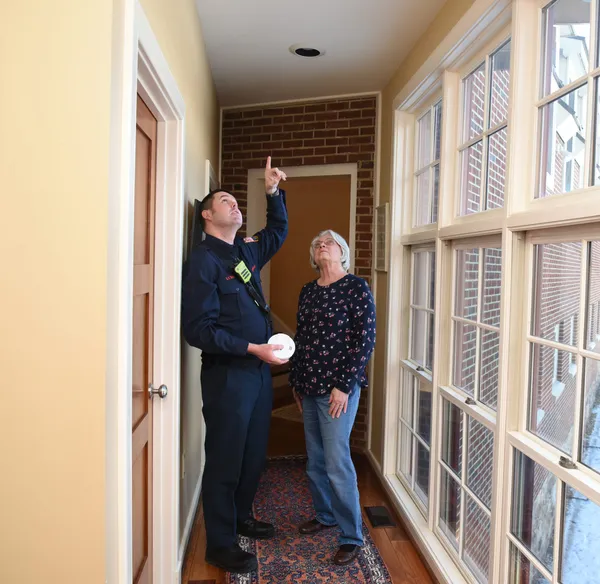
Door-to-door installations follow a deadly start to 2026
The Memphis Fire Department (MFD) reported installing nearly 3,000 smoke detectors as part of a focused fire-safety campaign aimed at reducing residential fire deaths. The effort followed a surge in fatal house fires early in 2026, with MFD officials stating that eight people had died in home fires this year and that the cases shared a common factor: homes lacked working smoke alarms.
The campaign, described by MFD as a “Smoke Detector Blitz,” mobilized firefighters to canvass neighborhoods and install alarms at no cost to residents. The initiative began Feb. 13, 2026, with crews going door-to-door, and was structured across multiple days to reach more households.
How the “blitz” model works in Memphis
MFD’s prevention strategy is built around targeting areas identified through fire-incident data. Under the department’s Fire Protection Plan, fire companies conduct concentrated “blitz” operations in high-risk fire management zones, visiting occupied homes to verify that smoke alarms are present and functional. When issues are found—missing alarms, defective units, or dead or missing batteries—personnel document the discrepancy and correct it before the project concludes, typically by installing a new detector or replacing batteries.
MFD also operates an ongoing free smoke-detector program separate from blitz operations. City information indicates eligibility generally includes owner-occupants within Memphis who lack a working alarm and cannot afford one, with additional pathways for households that include a child under 18 or an adult age 60 or older. Installations are scheduled by appointment when an adult is present.
Why smoke alarms are central to fire-survival outcomes
National fire-safety campaigns have long emphasized smoke alarms as a critical early-warning device in residential fires. A major national home-fire initiative has reported large-scale installation totals over the past decade and documented lives saved through alarms and escape-planning education, reflecting the broader consensus in public-safety practice that functioning alarms can materially improve escape outcomes.
What residents can do to reduce risk
- Confirm alarms are installed on every level of the home and near sleeping areas.
- Test alarms regularly and address low-battery “chirps” immediately.
- Replace outdated devices; many modern units are designed for long service lives.
- Create and practice a home escape plan so household members know two ways out where possible.
For MFD, the near-3,000-detector milestone is both a measure of operational reach and a response to the specific risk pattern observed in early-2026 fatalities: fire deaths occurring in homes without working smoke alarms.
MFD has indicated that residents can also obtain smoke detectors through fire stations and city programs, complementing door-to-door installation efforts intended to accelerate coverage in the neighborhoods most affected by fire risk.