Memphis athletics reports $1 million ticket revenue decline in 2024-25 amid venue capacity constraints
Ticket sales dip as Memphis athletics weighs revenue stability during a shifting college sports economy
The University of Memphis athletic department reported a $1 million decline in ticket revenue during the 2024-25 fiscal year, a setback that comes as major venue projects and policy changes reshape how the Tigers generate and protect game-day income.
Ticket revenue is a core piece of “self-generated” athletics funding, alongside sponsorships, media rights, fundraising, and premium seating. A year-over-year decline of this size is notable because it directly affects operating flexibility for sports that rely on gate receipts—most prominently football and men’s basketball—and can increase pressure on other revenue categories to compensate.
Capacity limits at Simmons Bank Liberty Stadium created a structural headwind
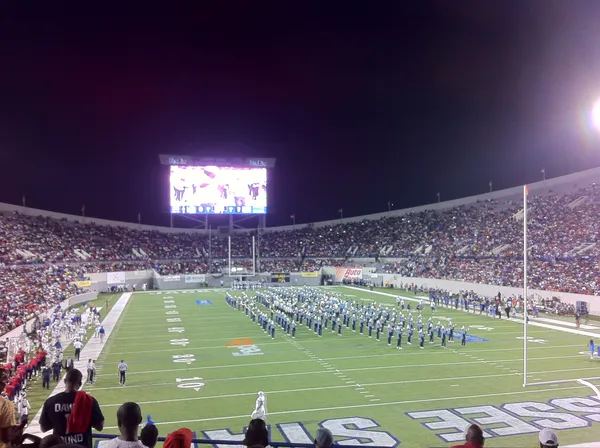
One major factor affecting ticket sales has been the multi-year renovation of Simmons Bank Liberty Stadium. During the renovation period, the stadium’s available seating inventory has been significantly reduced, and the department previously projected a sizable hit to season-ticket volume and associated revenue tied to reduced capacity and parking availability.
Reduced inventory can constrain both total tickets sold and premium options such as club seating opportunities, while also complicating pricing strategies: departments must balance higher per-seat pricing against the risk of demand softening when fewer seats are available and fan experience is disrupted by construction.
Basketball demand and building configuration also factor into gate outcomes
Memphis men’s basketball plays home games at FedExForum, where the athletics department has moved toward aligning capacity more closely with demand. For the 2025-26 season, the university announced a planned reduction of 3,649 seats in the terrace level, bringing the standard configuration to 14,470 seats, with the option to reopen sections as needed.
The stated attendance baseline from the 2024-25 season—an announced average of 11,931 across 15 home games—illustrates why departments increasingly manage capacity, pricing tiers, and inventory visibility as part of revenue strategy rather than simply maximizing seats.
Fundraising surged even as ticket revenue slipped
While ticket revenue declined in 2024-25, Memphis athletics reported a record fundraising year in the same fiscal period, totaling $32.03 million in gifts and commitments, including a $10 million gift connected to the Liberty Stadium renovation.
This contrast highlights how modern athletic departments often depend on multiple pillars: ticket sales can fluctuate due to construction cycles, team performance, and broader consumer spending patterns, while fundraising may rise when major facility projects and high-profile campaigns mobilize donors.
- Ticket revenue: down $1 million in FY 2024-25
- Fundraising: $32.03 million in gifts and commitments in FY 2024-25
- Venue context: stadium renovation reduced football seating inventory; basketball moved to a smaller standard configuration for 2025-26
Across college athletics, revenue planning increasingly relies on balancing ticketing, donations, media income, and operational controls as facilities and consumer behavior evolve.
Memphis enters the next cycle with a clearer picture of the financial impact of constrained inventory and with new levers—capacity management, ticketing structure adjustments, and donor-driven capital support—already in motion to stabilize the department’s overall revenue mix.