Memphis-area tax preparers admit role in filing fraudulent federal returns, outlining how refund claims were inflated
What the guilty pleas establish
Federal court records show that two Memphis-area tax return preparers have pleaded guilty to fraud-related charges tied to the preparation and filing of false federal income tax returns. The pleas outline a scheme in which returns were altered to increase refunds by claiming credits and amounts that taxpayers were not entitled to receive.
In the underlying case materials, the defendants acknowledged conduct consistent with aiding the preparation of false returns and conspiring to defraud the United States. The admissions describe how tax filings were manipulated through inflated or fictitious credits, producing refunds larger than those supported by legitimate eligibility rules.
How the false returns were built
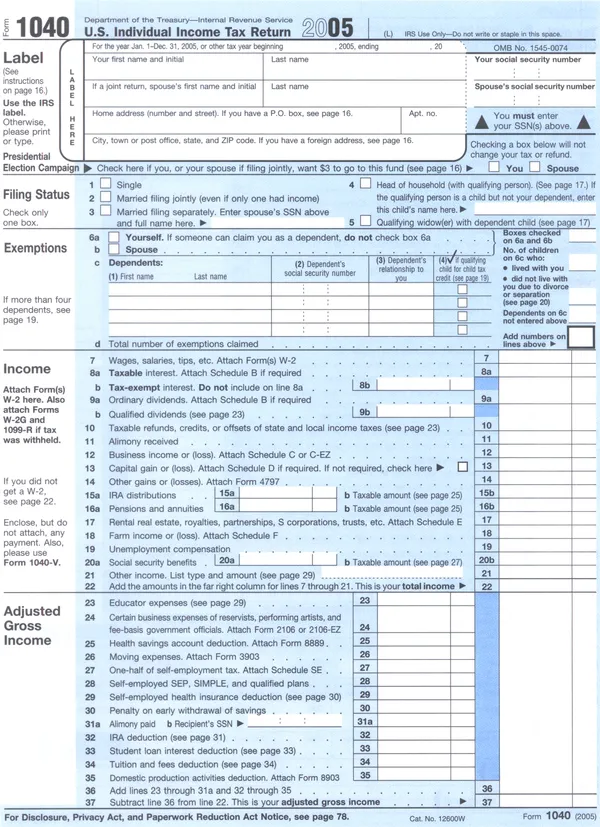
The plea documents describe a pattern of inserting or increasing tax items that directly affect refund size. In similar federal cases involving Memphis-connected preparers, the improper entries have centered on refundable credits that can generate a payment even when little or no tax is owed.
- Creating or inflating refundable credits, including the Earned Income Credit.
- Improperly claiming education-related credits, including the American Opportunity credit.
- Using fabricated income or expense figures to make a return appear eligible for larger credits.
In these cases, the government’s focus is typically not on mere mistakes but on knowing misstatements that change the refund calculation—an important legal distinction in criminal tax prosecutions.
Why preparer cases draw heightened scrutiny
Tax preparers occupy a gatekeeping role in the filing system: they can submit large volumes of returns, and recurring patterns across clients can be detected through compliance analytics and audits. Criminal investigations often follow when multiple returns show the same unusual credit combinations, repeated inflated amounts, or inconsistencies between taxpayer records and reported eligibility.
The Internal Revenue Service’s criminal enforcement arm frequently works with federal prosecutors to investigate preparer-driven schemes, particularly where refundable credits or high-dollar refund products are involved.
What comes next in court
A guilty plea resolves the question of guilt but not punishment. Sentencing in federal cases typically depends on multiple factors, including the calculated tax loss, the number of affected returns, whether the conduct involved sophisticated means, and the defendants’ roles in the offense. Restitution to the government is commonly ordered in cases involving proven losses, and courts may also impose restrictions on future tax preparation activity.
Federal sentencing for return-preparer cases is usually driven by the amount of loss attributed to the false returns and the scope of the scheme.
Broader context for taxpayers
Federal authorities continue to emphasize that taxpayers remain responsible for the accuracy of their returns, even when a paid preparer completes them. Cases like this underscore the risks of unusually large refunds tied to credits a taxpayer cannot clearly explain or document, and the importance of reviewing filings before submission.
The guilty pleas mark a significant step in the prosecution of refund-fraud conduct tied to the Memphis area, reinforcing that preparer-driven schemes remain a persistent enforcement priority for federal investigators.