March 28 in Memphis history: the 1968 sanitation strike march, violence, and lasting civic impact
A pivotal date tied to Memphis’ civil rights and labor history
March 28 holds a distinct place in Memphis history because of events in 1968 that unfolded during the citywide sanitation workers’ strike—an organizing drive rooted in demands for safety, dignity, and economic fairness for public employees.
By late March of that year, strike leaders and civil rights organizers planned a large downtown march to maintain pressure on city leadership. A major snowstorm earlier in March forced scheduling changes, and the demonstration was set for Thursday, March 28.
What happened on March 28, 1968
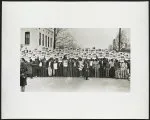
On March 28, marchers gathered and moved through the downtown corridor in a demonstration that drew national attention. The event was led by the Rev. Martin Luther King Jr., who had come to Memphis to support the workers and to connect their demands to a broader campaign for economic justice.
During the march, disorder broke out. Accounts of the day describe clashes between police and participants, damage to some property, and a rapid shift from a planned demonstration to an emergency response that included law-enforcement efforts to disperse crowds. The unrest became a defining episode of the strike period and reshaped the immediate plans of movement leaders, who publicly committed to returning for a renewed march under stricter nonviolence controls.
The March 28 march became a turning point: it exposed tensions over policing, public order, and the right to protest, while intensifying national focus on Memphis.
The death of Larry Payne and its significance
One of the most consequential outcomes of March 28 was the death of Larry Payne, a Black teenager who was fatally shot amid the upheaval that followed the march. His killing became inseparable from public memory of the day and remains one of the most documented deaths connected to the strike’s street actions.
In the days that followed, Memphis entered an even more volatile period. King’s planned return to lead a peaceful march would become entwined with his final days in the city, culminating in his assassination on April 4, 1968, at the Lorraine Motel—an event now memorialized by the National Civil Rights Museum.
Why March 28 continues to be remembered
March 28 is frequently revisited in Memphis commemorations because it sits at the intersection of labor rights, civil rights, and the city’s governance history. It is also closely associated with Clayborn Temple, a central organizing site for the sanitation workers and their supporters, where meetings were held and preparations for marches were made.
- It marks one of the largest strike-era demonstrations in downtown Memphis.
- It is linked to a widely recognized escalation in confrontation between protesters and police.
- It is associated with the killing of Larry Payne and the human cost of civic unrest.
- It foreshadows the final chapter of King’s life in Memphis, days later.
In the city’s historical timeline, March 28 stands as a date that concentrates the era’s unresolved questions about economic justice, public safety, and the responsibilities of public institutions during mass protest.