Jesse Jackson dies at 84, leaving a national legacy shaped partly by Memphis in 1968
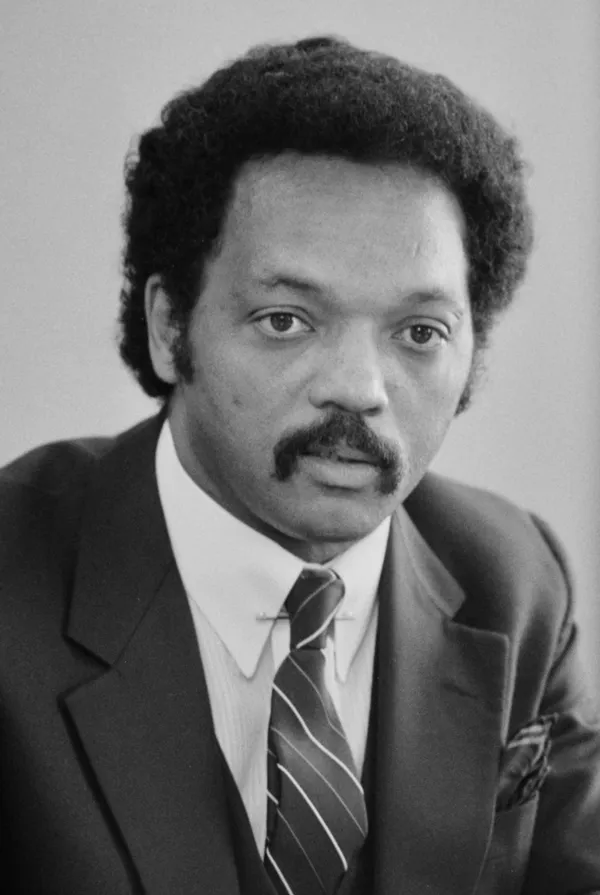
A defining figure of modern civil rights politics
The Rev. Jesse L. Jackson, a minister, civil rights organizer and two-time presidential candidate who helped reshape the Democratic Party’s coalition politics in the late 20th century, died Tuesday, Feb. 17, 2026. He was 84. Jackson’s career spanned street-level organizing, national electoral politics and international advocacy, with influence that endured long after the peak years of the civil rights movement.
Memphis as a pivotal chapter in a national story
Jackson’s ties to Memphis are rooted in the city’s central place in the 1968 sanitation workers’ strike and the final days of the Rev. Martin Luther King Jr. The strike—driven by demands for safer working conditions, fair pay and union recognition—brought national civil rights leaders to Memphis and turned local labor conflict into a watershed moment in American history.
After King was assassinated in Memphis on April 4, 1968, the city became the setting for a major memorial march on April 8, drawing tens of thousands. Jackson was among the civil rights leaders present for that demonstration, a moment that underscored Memphis’ significance in the movement’s trajectory and cemented the city in the public memory of the era.
In Memphis, the movement’s moral urgency collided with the demands of working people—an intersection that would remain central to Jackson’s public life.
From King’s orbit to national political power
Born Oct. 8, 1941, in Greenville, South Carolina, Jackson emerged nationally through work connected to King’s organizing network and later built institutions that broadened civil rights advocacy into economic and political arenas. He founded Operation PUSH and later helped form what became the Rainbow PUSH Coalition, an organization associated with campaigns for voting rights, economic opportunity and corporate accountability.
Jackson’s presidential runs for the Democratic nomination in 1984 and 1988 were widely viewed as turning points for Black political participation at the national level. While he did not win the nomination, his campaigns expanded voter mobilization and demonstrated the electoral impact of multiracial coalition-building—an approach that became increasingly central to Democratic politics.
Health struggles in later years
Jackson’s public life continued for decades, though he faced major health challenges. In 2017, he disclosed a diagnosis of Parkinson’s disease; later, his family said the condition had been identified as progressive supranuclear palsy, a rare neurodegenerative disorder that can affect movement and speech. In his final years, he increasingly appeared in public with assistance.
Key dates and milestones
April 4, 1968: King is assassinated in Memphis during the sanitation strike period.
April 8, 1968: Major memorial march in Memphis draws tens of thousands; Jackson is among prominent civil rights leaders present.
1984 and 1988: Jackson runs for the Democratic presidential nomination.
Feb. 17, 2026: Jackson dies at age 84.
In Memphis, Jackson’s legacy is inseparable from a chapter when the city stood at the center of national grief and national resolve—an episode that shaped how civil rights leadership, labor demands and political power would intersect for decades afterward.