How Memphis International Airport Manages Winter Storm Operations: Runway Clearing, Deicing, and Passenger Service Changes
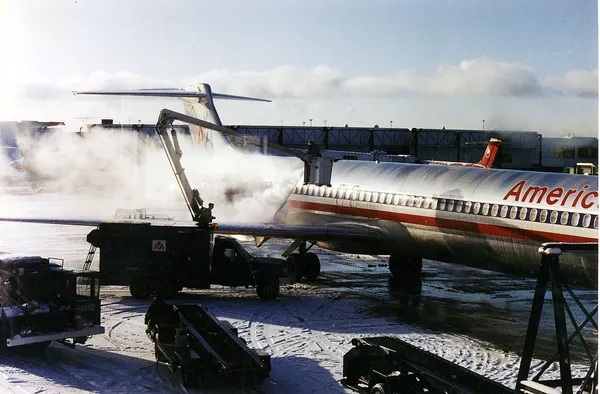
Airport remained open as airfield crews focused on keeping runways and key surfaces usable
Memphis International Airport’s winter storm operations rely on continuous airfield treatment, a large specialized vehicle fleet, and a division of responsibilities between the airport and airlines. During the late-January 2026 winter event, the airport reported that it stayed open while crews worked to keep runways and surface areas clear of snow and ice, even as commercial flight activity was sharply reduced.
In a 10 a.m. update on January 24, 2026, airport officials said airlines had cancelled all remaining departing passenger flights for the day and recommended that passengers avoid traveling to the airport. The Transportation Security Administration checkpoint was reported closed, with the exit lane remaining open, and all concessions were closed for the day. The airport also warned that disruptions were likely to extend into the following day due to the broader national impact of the storm system.
What the airport clears, and why it matters for flight safety
Airfield operations in winter conditions center on preventing the buildup of snow and ice on runways and taxiways, where braking performance and directional control depend on surface condition. The airport said its crews also clear ramps, service roads, terminal roadways, and fuel farm loading areas—spaces that support aircraft servicing, ground handling, and emergency access.
Airport officials described their winter objective as preventing snow and ice accumulation so aircraft can operate safely, while maintaining access to support areas beyond the runways.
Officials stated the total area covered in these operations exceeds 28,650,000 square feet—described as comparable to more than 226 miles of a typical two-lane road—underscoring that winter response extends beyond the runway system itself.
Equipment and staffing used during snow and ice events
The airport reported having more than 50 vehicles dedicated to snow and ice removal, including snow brooms, plow trucks, snow blowers, liquid and granular de-icing trucks, and tractors. For staffing, officials said roughly 145 employees from airfield and building maintenance were available for snow operations, while noting that a large share of the airport authority’s workforce supports winter operations in some capacity.
- Airfield treatment and clearing performed around the clock during active events
- Dedicated snow/ice fleet deployed based on precipitation type, duration, and intensity
- Additional clearing includes terminal roadways and operational support areas
Deicing responsibilities: airport facility versus airline aircraft treatment
The airport said its centralized deicing facility was active during the event. However, officials emphasized a key operational split: the airport handles runway and taxiway clearing, while airlines handle aircraft deicing, including staffing, application, and equipment maintenance. Officials also noted that airline schedules can be disrupted by weather impacts across the U.S., even when Memphis’ airfield remains operational.
For passengers, the airport advised checking directly with airlines for schedule changes and cautioned that third-party booking platforms may not provide the same level of real-time updates. Early morning flights were highlighted as particularly vulnerable to winter weather disruptions.