How Hugo and Margaret Dixon’s private estate became Memphis’ Dixon Gallery and Gardens in 1976
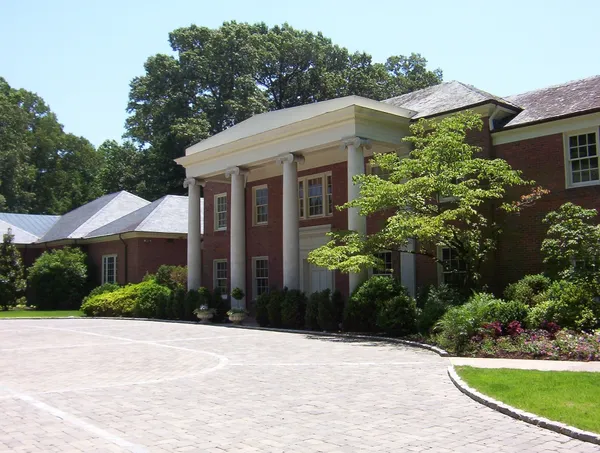
A private home built for collecting became a public institution
The Dixon Gallery and Gardens opened to the public in 1976, but its origins trace back decades earlier to a series of practical decisions and personal circumstances that ultimately positioned a private estate for a civic future. The museum and gardens grew out of the home and grounds of Hugo Norton Dixon (1892–1974) and Margaret Oates Dixon (1900–1974), a Memphis couple known for collecting art and shaping a carefully planned landscape around their residence.
In 1939, the Dixons acquired roughly 17 acres at Park Avenue and Cherry Road in East Memphis. They commissioned a Georgian Revival residence that was completed in the early 1940s and designed the surrounding landscape as an integrated part of the property. The grounds were carved from native woodland into a composition that balanced open vistas with more intimate formal garden spaces.
The garden plan depended on family collaboration and long-distance guidance
One of the defining turns in the estate’s development was the role played by Hugo Dixon’s sister, Hope Crutchfield, who contributed plans and expertise from outside Memphis. Her involvement helped shape the property’s horticultural identity, reinforcing a layout influenced by English landscape traditions and structured garden “rooms.” The result was a setting where art, architecture, and horticulture were planned as a single experience rather than separate amenities.
Art collecting choices created a museum-scale collection inside a residence
Inside the home, the Dixons began building an art collection in the mid-1940s and continued purchasing for the rest of their lives. Their collecting strategy emphasized depth and coherence—particularly in French and American Impressionism and related movements—leading to a collection that later supported a public museum model without requiring a separate, purpose-built gallery at the outset.
A philanthropic structure was established before the public ever entered
A key institutional step came in 1958, when Hugo Dixon established a charitable trust to protect the estate’s long-term integrity. The Dixons had no children, and the legal structure ensured their home, gardens, and artworks could remain intact rather than being dispersed after their deaths. This decision effectively set the groundwork for a public transition years before it occurred.
Two deaths in 1974 accelerated the transition from private to public
The most consequential twist came in 1974. Margaret Dixon died in February 1974. Hugo Dixon died eight months later in an automobile accident. With both founders gone within the same year, the trust mechanisms already in place moved the estate toward its intended public purpose.
1939: The Dixons purchase the Park Avenue property.
Early 1940s: The residence is completed; gardens are developed as a designed landscape.
1958: A charitable trust is created to preserve the estate and collection.
1974: Margaret Dixon dies (February); Hugo Dixon dies later the same year in a car crash.
1976: The Dixon Gallery and Gardens opens to the public.
By the time the doors opened in 1976, the essential elements were already in place: a museum-ready collection, a mature landscape designed for visitors, and a legal framework intended to keep the property together.
Today’s Dixon reflects those intersecting decisions and events—an estate shaped for private enjoyment that, through planning and circumstance, became a permanent public resource for Memphis.