Frayser students meet members of the Memphis 13, revisiting Memphis school desegregation history in classrooms
A local civil-rights milestone brought into a Frayser classroom
Students in Frayser received an in-person history lesson centered on the “Memphis 13,” the group of 13 African American first-graders who desegregated Memphis City Schools on October 3, 1961. The visit connected a pivotal moment in local education history to today’s students through firsthand accounts from people who experienced the transition as children.
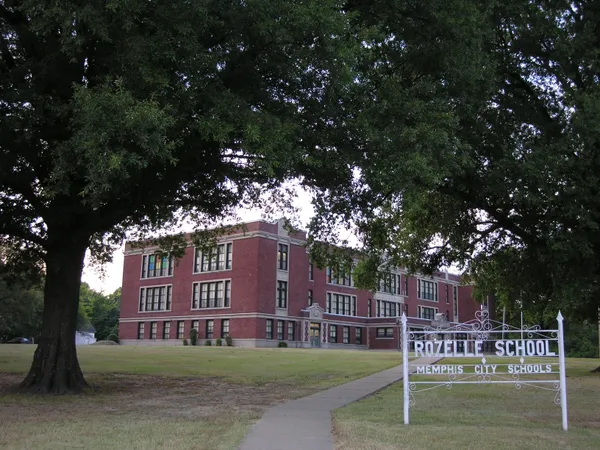
The Memphis 13 entered four previously all-white elementary schools in 1961: Bruce, Gordon, Rozelle and Springdale. The effort focused on first-graders—children roughly six years old—marking a strategic shift from earlier desegregation battles that often played out at the high school level in other Southern cities.
Who the Memphis 13 were, and where they went to school
The students who integrated Memphis schools in 1961 are widely documented across local civil-rights records and educational history projects. The Memphis 13 included children assigned to the four elementary schools:
Bruce Elementary: Dwania Kyles, Harry Williams, Michael Willis (later known as Menelik Fombi)
Gordon Elementary: Alvin Freeman, Sharon Malone, Sheila Malone, Pamela Mayes
Rozelle Elementary: Joyce Bell, E.C. Freeman, Leandrew Wiggins, Clarence Williams
Springdale Elementary: Deborah Ann Holt, Jacqueline Moore
Contemporary accounts and later oral histories have emphasized that Memphis’ initial elementary-school integration unfolded without the kind of mass violence seen in several other Southern desegregation flashpoints, even as the students and their families still faced fear, social pressure, and the daily strain of being singled out.
From memory to curriculum: why the story is being taught now
The Frayser visit reflects a broader push in Memphis to incorporate local civil-rights history into classroom instruction. In recent years, Memphis-area education partners have developed lesson materials and teacher training focused specifically on the Memphis 13, aiming to move the episode from commemorations into standard social studies learning.
That shift has been reinforced by public-facing projects designed for students: documentary work that recorded families’ experiences, school-based commemorations, and educational workshops intended to help teachers present the story with historical context and age-appropriate primary-source learning.
What students can learn from an eyewitness lesson
Educators involved in local-history instruction have increasingly emphasized that meeting eyewitnesses can sharpen students’ understanding of how policy changes are lived by ordinary people. The Memphis 13 story offers multiple classroom entry points:
How public-school segregation operated in Memphis before 1961 and how it changed afterward
The role of parents and community leadership in planning school integration
How children experienced desegregation and how those memories shape civic identity decades later
Why local history can complement national narratives of the Civil Rights Movement
For students, the lesson is not only that desegregation was a legal and political turning point, but that it was also a series of personal decisions made by families—often under pressure—about where a child would learn and how they would be treated when they arrived.
In Frayser, the visit placed that history into a living frame: the people once known primarily through photographs and archival timelines spoke directly to a new generation sitting at classroom desks in the same city their choices helped change.