Fire Crews Respond to Downtown Memphis’ Peabody Hotel, Triggering Precautionary Safety Checks for Guests
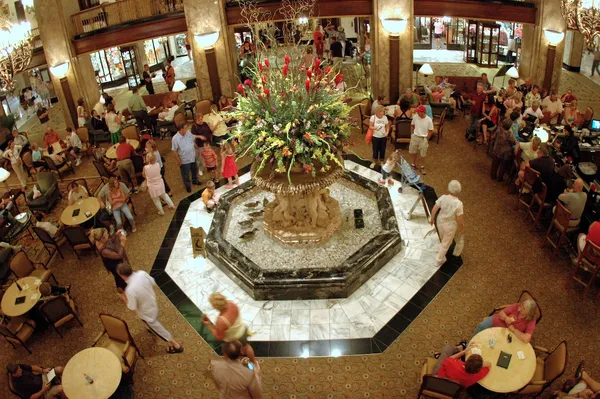
Emergency response draws attention to fire safety in one of downtown’s busiest landmarks
Memphis Fire Department crews responded Saturday, March 28, 2026, to the Peabody Hotel in Downtown Memphis after reports that prompted an on-scene fire response. Witness accounts described fire apparatus arriving at the property as the situation unfolded. As of publication, no official public briefing detailing injuries, damage, or a confirmed fire source had been released.
The Peabody is a large, high-occupancy destination that regularly hosts out-of-town visitors, events, and daily foot traffic. Because of that profile, even a limited alarm condition can generate a multi-unit response intended to rapidly verify conditions, protect evacuation routes, and determine whether smoke, heat, or system activations present an immediate risk.
What typically happens during a hotel fire response
When crews arrive at a hotel, initial actions generally focus on life safety: checking for active fire or smoke conditions, identifying the alarm zone or originating location, and coordinating with building staff to assess whether evacuation is necessary. Where fire protection systems are present, responders also evaluate whether alarms were triggered by smoke detection, water flow, or other supervisory signals related to sprinklers and standpipe systems.
- Rapid interior assessment to locate any smoke or heat source
- Verification of alarm origin and system status
- Ventilation or smoke removal if needed
- Accountability checks for guests, staff, and event spaces
Why alarms can lead to significant responses—even without a major fire
Fire departments treat alarms at high-rise and historic buildings with heightened urgency because conditions can change quickly and because hotel guests may be unfamiliar with exit routes. In some cases, a sprinkler system can control a small fire before it grows, leaving limited visible damage but requiring smoke removal and a careful reset of building systems. In other cases, an alert can be caused by non-fire conditions that still require verification on site.
In large hotels, responders prioritize confirming conditions and protecting egress before determining whether the incident is a fire, a system activation, or another building-related issue.
Context: a historic property with modern safety expectations
The Peabody’s current building opened in 1925 after the original hotel at Main and Monroe was damaged by fire in 1923, a reminder of how fire risk has shaped the property’s history. Today, the operational reality is different: modern building codes, alarm monitoring, and fire protection systems are designed to detect hazards earlier and support faster response in crowded settings.
memphis.news will update this report when city officials release incident details, including any confirmed cause, scope of response, and whether guests or staff were required to evacuate.