Congressman Steve Cohen responds as President Donald Trump schedules March 23 visit highlighting Memphis Safe Task Force
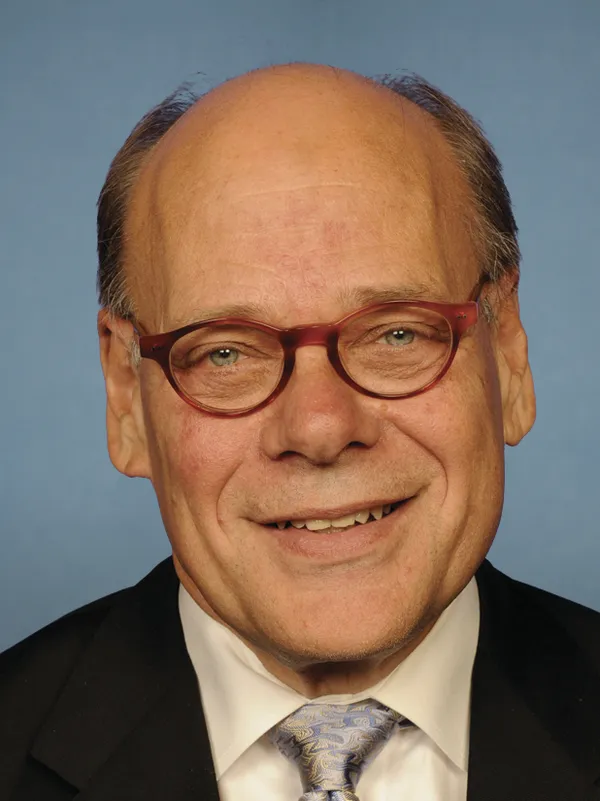
Trump plans Memphis stop focused on federal crime initiative; Cohen raises long-running concerns about strategy and oversight
President Donald Trump is scheduled to visit Memphis on Monday, March 23, in a trip the White House has described as an opportunity to highlight the work of the Memphis Safe Task Force, a multi-agency federal and state initiative launched in 2025. The visit comes as the task force remains a central—and contested—feature of Memphis’ public-safety landscape, with supporters pointing to enforcement results and critics questioning sustainability, transparency, and the role of military resources in domestic policing.
U.S. Rep. Steve Cohen, whose congressional district includes much of Memphis, has issued multiple public statements since the initiative’s creation emphasizing that Memphis faces a real crime problem but arguing that short-term deployments cannot substitute for long-term investment in proven approaches. In earlier remarks responding to the National Guard component of the federal effort, Cohen said he opposed a Guard deployment as a solution to what he called “endemic” problems rooted in long historical factors, while adding that Guard members could play only a secondary, supportive role to local police in the short run.
The Memphis Safe Task Force traces to a presidential memorandum signed on Sept. 15, 2025, after discussions involving Tennessee Gov. Bill Lee and the Trump administration. The memorandum directed federal agencies to coordinate operations in Memphis and sought a National Guard role under Title 32 status, alongside federal law enforcement participation. Since late September 2025, the task force has conducted traffic stops, served warrants, and assisted in fugitive operations, while local officials have simultaneously reported declines in several major crime categories during 2025.
The upcoming visit is expected to keep public attention on the initiative’s outcomes and the policy choices behind it, including how federal agencies coordinate with local authorities and what measures are used to evaluate public-safety gains over time.
Cohen’s position has been more nuanced than simple support or opposition: he has publicly urged consistent federal investment in policing capacity and community-based strategies, and he has also sought clarity on how the federal mission is structured. In a letter to the attorney general and defense secretary after senior administration officials visited Memphis to rally personnel connected to the task force, Cohen said he learned of that trip through news coverage rather than direct coordination, and he requested more information about how the operation would work.
Key questions likely to surround Trump’s Memphis appearance include:
- How the administration defines success for the Memphis Safe Task Force and what crime and community metrics it will use.
- What the long-term plan is for staffing, costs, and the transition—if any—back to primarily local capacity.
- How civil-rights safeguards and accountability will be handled during enforcement activity, including traffic-stop practices and interagency roles.
With Trump set to spotlight the initiative and Cohen continuing to press for clarity and durable investment, the March 23 visit positions Memphis once again as a national test case for the reach of federal crime-fighting campaigns and the boundaries of domestic deployments in support of local public safety.