Admitted Young Dolph gunman Cornelius Smith expected to plead guilty as remaining case nears resolution in Memphis
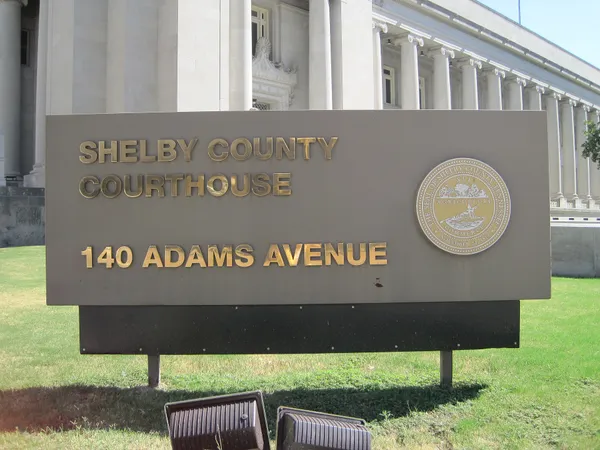
Plea negotiations move toward a final court hearing
Cornelius Smith, one of the men charged in the November 17, 2021 killing of Memphis rapper Young Dolph, is expected to enter a guilty plea under an agreement being finalized in Shelby County Criminal Court. Smith has previously acknowledged in sworn testimony that he took part in the shooting, making his case the last major unresolved prosecution tied to the ambush outside Makeda’s Homemade Butter Cookies on Airways Boulevard.
A plea hearing that had been anticipated earlier has been reset for March 30, 2026, as attorneys and prosecutors work through remaining details of the proposed agreement. Public proceedings have indicated the outstanding issues relate to specific terms connected to custody and placement within the Tennessee Department of Correction, rather than a dispute about Smith’s underlying admission of involvement.
How the case reached this point
Young Dolph, whose legal name was Adolph Thornton Jr., was fatally shot in broad daylight while visiting the bakery. The killing triggered a multi-defendant investigation and several years of prosecutions that have already produced major courtroom outcomes.
- Justin Johnson was convicted in September 2024 of first-degree murder and received a life sentence with the possibility of parole. He later received additional time on separate convictions returned in the same case.
- Hernandez Govan, who faced charges alleging he helped organize the killing, was acquitted by a Memphis jury in August 2025.
- Jermarcus Johnson, who was accused of assisting after the shooting, received a sentence of probation in November 2024.
Smith’s testimony and its legal significance
Smith’s expected plea comes after his unusual position as both a defendant and a key witness. During earlier trials, Smith testified that he and Justin Johnson were the shooters seen in surveillance footage from the bakery area. He also described the killing as a paid hit, testimony prosecutors used to establish planning and motive in the cases that proceeded to verdict.
In court, defense attorneys in prior proceedings attacked Smith’s credibility, emphasizing his incentive to reduce exposure through cooperation. That challenge became central in the Govan trial, where jurors ultimately rejected the state’s theory that Govan organized the killing.
What happens next
At the March 30 hearing, the court is expected to determine whether to accept Smith’s negotiated plea and impose sentence consistent with Tennessee law and the agreement’s terms. If the plea is accepted, it would close the remaining pending prosecution directly tied to the two alleged gunmen in the Young Dolph homicide.
The case has moved through multiple trials and sentencings over more than four years, with convictions for one shooter, an acquittal for an alleged organizer, and an expected plea from the admitted second gunman.
Even with the criminal cases largely resolved, the record established in open court leaves lasting public documentation of the planning, surveillance footage identification, and the sequence of events surrounding one of Memphis’ most closely followed homicide prosecutions.